Ask Palmer
  • Join our Newsletter!
  • LinkedIn
  • Facebook
  • Twitter

Call us today: (704) 544-0367

Archive for the ‘Renovation’ Category

When a Bargain … Really Isn’t!


When a Bargain ... Really Isn'tImagine going to a doctor and learning that you need life-saving surgery. What’s the first question you would ask? Is it "how much will this cost me?" You likely would be far more concerned with making certain that the doctor you select has the medical expertise and surgical skills necessary to successfully see you through your procedure and recovery. Unfortunately, today's economy has more people focusing on cost first when it comes to many of the most vital aspects of their lives. (I know we find ourselves doing this more than ever ourselves). That includes the choices they make about who will renovate their home.

When most homeowners initially contact a general contractor, they begin the discussion by talking about all the things they desire in a project – their wish list. Since renovations aren’t something homeowners tackle everyday, they may not have a clear concept of the true costs of construction. As a result, they may be understandably surprised when they begin to discuss price. Adding to this confusion is the fallacy perpetuated by the media that construction costs have been slashed. The truth is that despite the economy, costs for good contractors have held steady, and in some cases, escalated. Just think about commodities like gas: The last time you filled up your car, did it cost you less than it did a year ago? The cost of materials – like metal and petroleum-based building products – have climbed dramatically, along with the fuel costs of transporting these heavy products. Quality labor has remained near constant. Yes, construction industry layoffs have led many unemployed workers with varying levels of construction expertise, project and financial management skills to launch their own companies. While some are solid, others are cutting corners by not pulling permits and not carrying Workers' Compensation and Liability Insurance (which leaves homeowners open to all sorts of legal issues). Some are slashing prices to pay their immediate bills but not providing enough working capital to actually finish the job – which is every homeowner's nightmare!

Just like a good surgeon, what an experienced contractor really brings to a project is his expertise. On a macro level, an inexperienced contractor will build exactly what a client requests, without offering creative ideas or improvements. One client initially asked several contractors to bid their kitchen renovation as designed, which essentially refreshed their galley-style kitchen in the same space. We were able to explain that for very little added cost, we could reclaim and repurpose adjoining spaces to give them an expanded kitchen that actually met their needs, rather than one they merely settled for by shoe-horning it into the existing space.

That's really what you are paying a professional for: to make recommendations based on their experience and finish the project as agreed upon, with quality, on budget and on time. A qualified professional knows how to do things the proper way and will bring the unique, "high-end" touches they are accustomed to doing into even their smallest project. Oftentimes, these "extras" don’t cost any more. It comes down to creative thinking that's possible because of the diversity of projects the contractor has seen and handled. They'll also understand the long-term effects of changes that are being made and foresee hidden issues. In one renovation, we replaced plumbing valves in an unrelated space because we realized that if the homeowner had a maintenance issue with the existing pipes, he wouldn’t have been able to stop the flow of water. That simple preventive change gave him great peace of mind.

Your home is likely your most substantial investment, and far more long lasting than something like an automobile. Yet often, people who would never consider settling for a basic car will hire a bargain contractor to work on their home. A bargain contractor most likely will not have a current general contractors' license, nor will he be using experienced, professional tradesmen – like licensed plumbers and electricians. Generally, they aren’t pulling building permits, because doing so means their work must be inspected. (To pass an inspection, a contractor must be properly licensed and be using licensed plumbers and electricians.) No permit also means that a homeowner is giving up an important layer of protection designed to ensure that the work being done on their home is being completed properly and consistent with current Building Codes. Also, bargain contractors or their tradesmen most likely will not have General Liability and Workers' Compensation insurance, which is an added layer of legal protection for the homeowner. Unfortunately, we have recently seen the economy forcing even knowledgeable homeowners to take their chances by hiring a "bargain" contractor or even a handyman, and that is very sad to see when the results of their investment fall short of their dreams and may increase the cost to them in the long run.

Top 5 Design Trends


Top 5 Design Trends

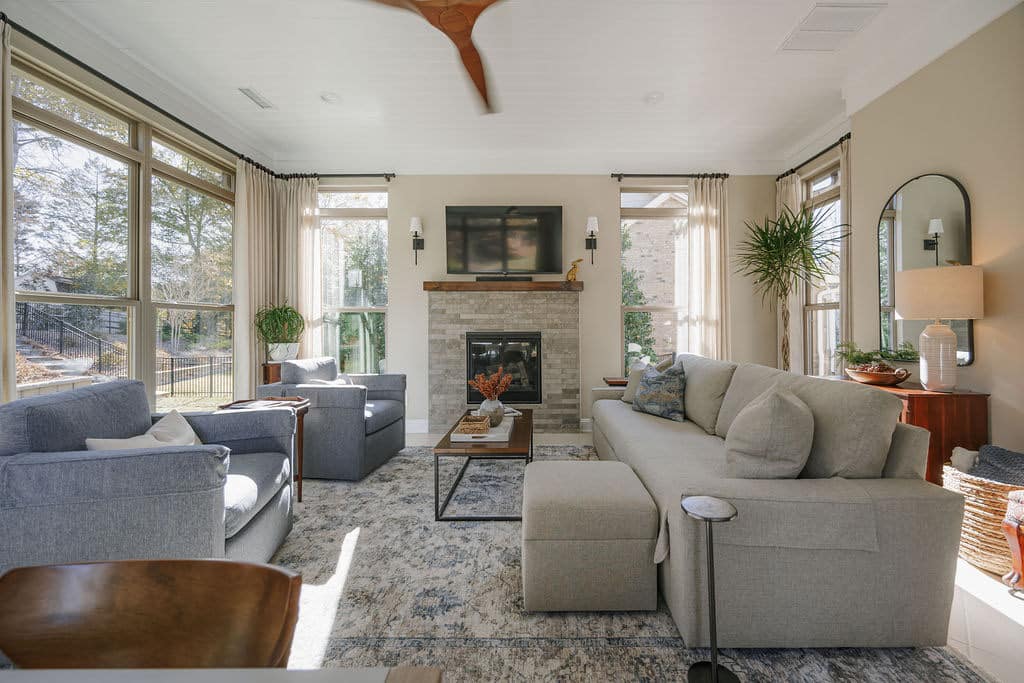
Sunroom Interior

In today's rapidly changing climate, it seems that homeowners are taking a realistic approach to design. That doesn't mean that people are cutting corners – to the contrary, wise homeowners are investing in the things that really matter to them. That's because they are no longer looking to "flip" a house after living in it for a year or two but are looking to make the house they build or renovate today their home for years to come. The result of that change in perspective seems to be a desire to invest strategically in the areas that matter most to them. Here are a few of the trends we've noticed among our customers.

Morning Room Addition

Morning Room Addition and Kitchen Remodel - Exterior

Morning Room Addition

Morning Room Addition and Kitchen Remodel - Interior

  1. Less form(al); more function.There's a definite focus on making the square footage in a home really matter. That means functional spaces like roomy and dirt-resistant mudrooms, graciously sized pantries designed around a family's needs and spacious closets packed with practical organizing tools, all are becoming a priority instead of an afterthought.
  2. Casual everydays. There’s been a move away from formal living areas for years, and that trend is definitely continuing to hold. Separate formal living and dining areas are a thing of the past and open great room / kitchen / dining areas are the norm. The flexibility of these spaces works for everyone from large families that want to spread out while feeling connected to empty nesters who finally have the chance to entertain.
  3. Let the light shine in. No matter how contemporary or traditional a homeowner's design taste might be, they all are embracing a light-filled and uncluttered design aesthetic. That applies to everything from streamlined expanses of windows that bring views inside to covered porches and outdoor living areas that put people into the landscape. Interiors follow this same, cleaner look and feel.
  4. Comfort is king. The days of building bigger just for the sake of size or image seem to have passed, and people are balancing size with livability. They don't hesitate to add square footage when needed, but they are making every effort to build smarter and make the space they add feel comfortable and connected to the existing areas.
  5. Passing trends are passé. Because they are not concerned about flipping a home in a year or two, homeowners are incorporating all those things that real estate advisors told them not to do "for the sake of resale value" in the past. Adding that specialized hobby area, scrapping the large jet tub and small adjoining shower and replacing both with a larger, more functional master bath shower; adding pools, outdoor hot tubs and screened and covered porches to expand living areas outdoors and make the space more functional, and a whole host of other things that weren’t considered fashionable but which homeowners really wanted to do, are now becoming the norm. This is mainly because homeowners have made the mental switch from looking primarily at their house as a short-term investment to looking at it as a long-term resource for their family's enjoyment – in other words, as their home!

A Cut Above


A Cut Above

With a growing family in a neighborhood and location they love, these homeowners decided on a home expansion above their garage area.

When space inside your existing home is getting a little too close for comfort but you want to remain in your current residence, you might want to think outside the box – and look to your garage. Renovating an existing garage to add living space above is perhaps one of the most economical home improvement projects you can undertake. Just think about it: It’s a large chunk of square footage – 400 square feet for a typical 20‘x 20’ two-car garage and even more for a three-car garage – that already has a finished bottom floor and a roof. Since the structure is already in place, finishing this space is an extremely economical choice. Even in cases where the roof must be raised and/or structural enhancements made, you still have much of the framework, along with many finishing details like siding, etc., in place.

A Cut Above

The new space added a large bonus room, a bedroom, a full bathroom, two large storage closets, a separate staircase and a very functional mud room.

What can you do with a finished second floor above a garage? Many people use these spaces for bonus rooms, expansive offices that offer a degree of privacy from the daily activity occurring in the rest of the home, play rooms that can grow and evolve with kids as they move from childhood into their teen years, art studios and other types of dedicated hobby areas and even exercise rooms. Many families who are pressed for storage space find that this area offers ideal climate-controlled storage for delicate items that would melt in the heat of summer and freeze in winter.

Regardless of what you intend to eventually do with the space, there are several universal issues to consider. First, most garages are not insulated - even if the walls have been sheetrocked. We highly recommend that homeowners insulate all garage walls and install insulated garage doors. This simple change will make a huge difference in your comfort and energy bills year-round. Just think about it, no matter how well-insulated and finished your second-floor room may be, if it’s situated above an uninsulated space, your HVAC system has to work twice as hard to combat a large mass of cold air in the winter and hot air in the summer. In many cases, no matter how hard your system works, it won’t be able to maintain your desired level of comfort.

Which brings us to taking a hard look at your existing HVAC system. Consult a qualified professional to determine if your system can cope with the additional load. Although the initial cost may seem daunting, depending on the age, type and condition of your existing unit, you may opt to replace it rather than adding on, since the energy efficiencies you gain may more than offset the upfront cost.

One last thing to consider when you are finishing this space is how to maximize your home’s resale value – an important factor even if you plan on remaining there for many years to come. Regardless of how you plan to use the square footage, if you incorporate a closet and a window, the space can be classified as an additional bedroom, which increases the value of your home more than say, a bonus room. If you add a bathroom, the space can classify as a master suite (and a HUGE one at that!) That’s not only ideal for resale value, it’s also a great option for families who are dealing with moving aging parents or adult children back into their homes.

7 Winter Projects to Plan During Summer


7 Winter Project to Plan During SummerIt may be difficult to think about the holidays when you’re enjoying the summer sun under a perfect Carolina Blue sky, but summer is actually the best time to plan winter projects. Why? Because if you are contemplating a renovation or addition in time for your holiday guests to arrive, taking the time to do it right now - before the frantic rush - is perhaps the best gift you can give yourself.

Here are our Top 7 projects to consider now:

  1. Converting screened porches into sunrooms. This is a project you can really enjoy now, because closing in these areas helps to eliminate summer pollen and keeps you out of the heat as well as winter’s chill. Do this project now and then enjoy the additional enclosed space on a year round basis. A sunroom is really an economical way to increase both your heated and cooled square footage and thus, the value of the home.
  2. Outdoor living areas - particularly backyard patios, BBQ areas and masonry fireplaces. Why now? In summer, we simply have better access to your backyard. Your lawn tends to be much drier, so heavy equipment won’t be as damaging to your grass. Plus, you can enjoy the improvements this summer!
  3. Extensive additions that require opening a wall or digging footings. Beginning these long-term projects now is easier and much more energy efficient. (Imagine opening up a wall in your kitchen and trying to keep the rest of the house warm when it’s 20 degrees outside!) Once again, since the ground is drier, it’s also quicker and less costly (in both time and labor) to dig footings and a lot less mess.  Also, with more hours of daylight, work can be completed more quickly.
  4. Kitchen additions.The kitchen is the heart of your home, and these projects simply take time to complete. (The average kitchen remodel takes approximately 10 weeks, depending on the extent of the project and the level of customization of its components.) If you plan it now, order what you need early, and avoid the rush when everyone else is frantically trying to squeeze it in, you’ll be certain that your project is completed on time. The bonus is that you’ll be familiar with your renewed kitchen, new appliances, etc. well before the holidays, which will make entertaining go much more smoothly.
  5. Dormers put on or having a garage roof removed to add an upstairs. Even in the south where our winters are mild, snow and ice storms still can be a concern. So if you plan on opening up a roof, do it well before there’s a chance of severe weather.
  6. Exterior upfits. If you want your home to make a great first impression on guests, make repairs now. May and June are great times to paint the exterior of your home, because the paint cures better than in the extreme heat of August/September or the chill of November/December. Summer is also the time to replace garage doors, because track adjustments go more smoothly in warm weather than when it is cold.
  7. Inside jobs.  Common projects like opening up a wall between rooms to improve the appearance and flow of a space, or floor refinishing are best planned now. Why? Because the sooner you get them on the calendar, the more quickly they’ll be done. Anytime a project involves engineers, subcontractors like electricians and plumbers, multiple permits and inspections, and moving furniture, etc., it makes sense to plan ahead. Remodeling and the holidays can both be stressful, so why add a worry about whether your project will be finished on time? When you are not pushing a contractor to complete the job, they’ll be able to take their time and do it right, which ultimately will make you and your family much happier with the results for years to come.

Where There’s Smoke…There Might be a Code Change


Where There is Smoke...There Might be a Code ChangeImagine this, your contractor has gone through your kitchen renovation project with a fine-toothed comb and has everything under control for your final inspection. Your building inspector says the plumbing looks great; the electrical connections are perfect; and the structure is sound. Unfortunately, he continues, you've failed your inspection because there's no smoke detector in your upstairs guest bedroom.

Believe it or not, that can and does happen in Mecklenburg County, thanks to a January 1, 2008, code change that is only recently being enforced. The North Carolina state code change states that an existing house will be subject to the same smoke alarm requirements that new homes must abide by whenever there's an "addition, alteration, [or] repair to any dwelling unit or when one or more sleeping rooms are added to an existing dwelling unit." The code goes on to say, "This includes but is not limited to kitchen and bath remodels, finishing a basement, adding a room, or garage addition."

What are those requirements? They include that a smoke alarm be installed in each bedroom, outside each sleeping area and on every additional story of the home (with some technical exemptions for split levels). Prior to this change, smoke detectors could be installed in the common hallway area outside of each bedroom, but now they must be installed in both locations. The code goes on to require that smoke alarms shall be hard wired and interconnected and that an electrical permit is required for their installation. However, in some cases, battery operated smoke detectors are acceptable. There are a few additional exemptions for essentially exterior work and interior renovations that don't involve the removal of interior wall or ceiling finishes, thus exposing the structure, but as you may imagine, it takes someone familiar with the code to properly apply it.

While the code change is designed to ensure the safety of residents, it's the type of regulation that also can cause headaches for do-it-yourselfers. While some homes built in the last few years already comply with these regulations, many homes do not. Thus, it's very important to check all of your bedrooms for functioning smoke alarms. Otherwise, your project may be delayed for a week or possibly longer as you install smoke detectors consistent with the code and then wait for a re-inspection. Remember, the county inspectors will not finalize your building permit until compliance is achieved.

Up To Code


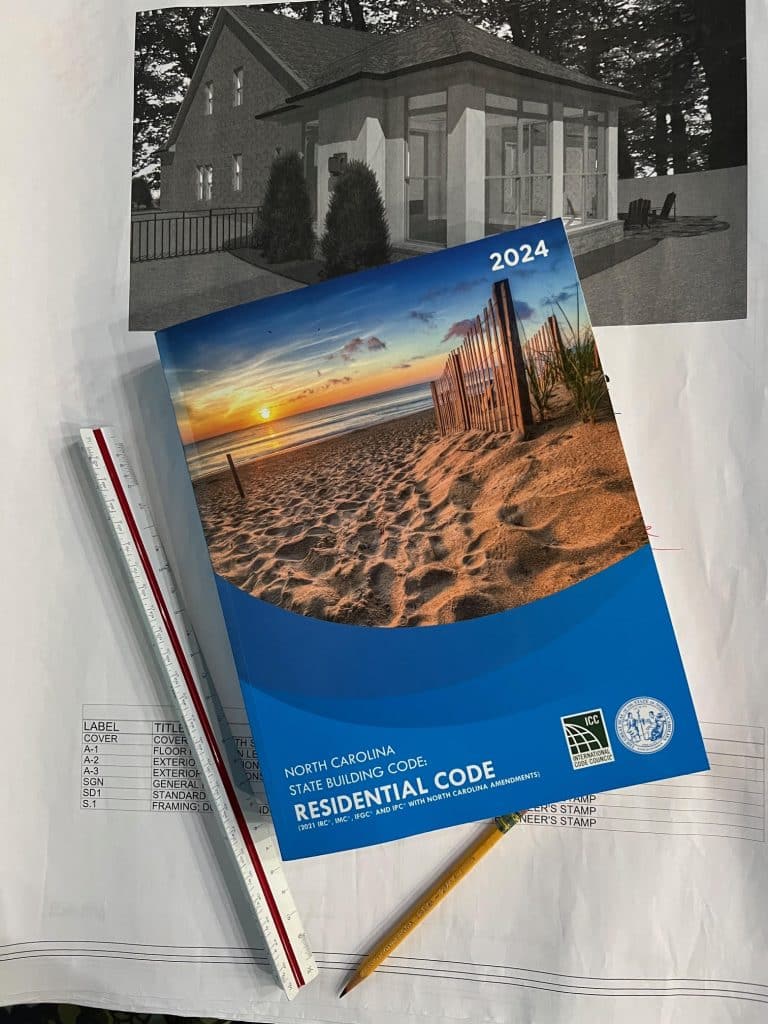
Up To CodeTo some novice homeowners undertaking their first renovation project, there’s simply no more discouraging news than learning that their project has to be brought “up to code.” They often hear this mysterious phrase and mistakenly view it as money literally flying out of the window. What they don’t understand is that building codes are actually a homeowner’s best friend; they are put in place to protect the safety and welfare of a home’s inhabitants. Elements that don’t meet code – whether they are structural, electrical, or related to any of the myriad other systems that comprise a home – need to be changed for a whole host of safety reasons. What homeowners often stumble over are the whys, whens and hows of building codes.

Why do things need to be changed? Changes in electrical code, just like other building codes, are driven by innovations in the field, what we learn about safety, and yes, even insurance companies who want to safeguard their investments. Here’s a real world example of why seemingly inconvenient code changes make sense: As recently as the 90s, it was common practice to tie all of a home’s garage and exterior outlets into a single GFI (Ground Fault Interrupter) circuit in a kitchen or bathroom. Code changes just this year now require that those external circuits not be linked to internal circuits and that bedrooms and bathrooms be on their own AFCIs (Arc-Fault Circuit Interrupters). Why the change? Think about the conditions that exterior electrical outlets are exposed to – there’s a good chance that at some point they will be exposed to moisture, which could damage the circuit or even cause a fire hazard. The new ACFIs will automatically shut off if they detect even a slight bit of moisture or other problems in the circuit – before the problem can cause a fire. Which means that your bedrooms, and the people who reside in them, are much safer.

When do things need to be changed? Many people have a misconception that their house should be “grandfathered in,” or exempt from changes in code. While certain things may be, the general rule is that if your contractor is working with the circuit, wall, pipe or any other element in question, it has to be brought up to current code. Let’s consider those electrical circuits again. In one kitchen renovation, we had to split one of those outdated circuits that was connected to an exterior outlet. Since we were dealing with that particular circuit, it came under the new regulations. Why? Because a building inspector has to come out, look at the work that was done and sign off on it stating that it meets current requirements. If there had been a similar circuit in another area of the house that we were not working with, it technically would have been fine to stay as is it was. Whether you’d want to make the change for your own safety would then be your choice, (and at about $250, it’s a small price to pay for peace of mind).

How do changes need to be made? For the safest and most efficient results, your project should always be completed by a licensed, qualified professional who is well acquainted with current codes. If you hire someone who is not, your project could drag on much longer - costing you time and money - as your contractor redoes work just to pass inspections. It should go without saying that hiring an unlicensed contractor or handyman is always a bad idea. These people may tell you that you don’t need to pull a permit or pass an inspection and that they are trying to save you money by not doing so. This is really a red flag that they don’t know what they are doing, and therefore don’t want to go through an inspection process they know they would fail - especially if they are not properly licensed and insured to do so.  These types of people don’t save you money, they cost you safety. We recently were in one house that had exposed electrical wires dangling outside the garbage disposal, a damp and thus dangerous place for exposed wires. What was most troubling is that this family had a young daughter – imagine what would have happened if she had reached under the sink and touched those wires! Another young couple hired a friend to handle their wiring. We found exposed, raw hot wires that had not even been capped inside their drop ceiling. What these families gained in bottom-line price savings, they more than lost in safety. So be sure you hire a professional who understands current building, electrical and plumbing codes for your next project, and you’ll never dread that phrase again!